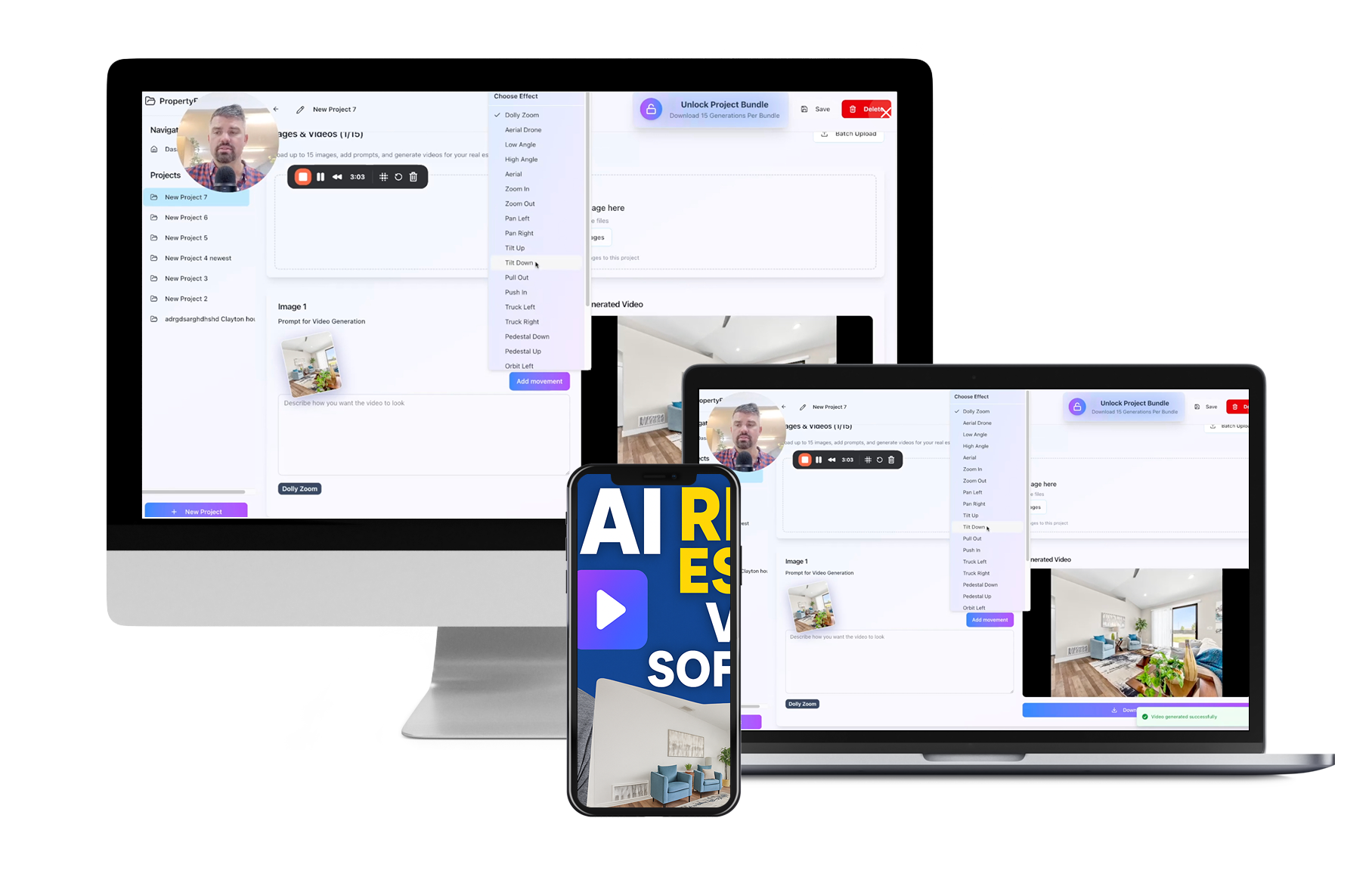
Redefining Virtual Reality Experiences Through AI Integration
Virtual Reality (VR) is evolving at a rapid pace, and one of the most groundbreaking advancements in recent years is AI integration. Redefining virtual reality experiences through AI integration is not just a technological feat but a cultural shift in how we perceive and interact with digital worlds.
What is AI in Virtual Reality?
Artificial Intelligence (AI) refers to the simulation of human intelligence in machines that are programmed to think and learn. When AI is integrated into virtual reality, it enhances the immersive experience by making environments more responsive and interactive.
Key AI Technologies Embedding in VR
- Machine Learning: Enables systems to learn and adapt without explicit programming.
- Natural Language Processing (NLP): Allows VR environments to understand and respond to voice commands.
- Computer Vision: Empowers VR systems to interpret visual data and recognize objects and gestures.
The Role of AI in Redefining Virtual Reality Experiences Through AI Integration
AI enhances VR by providing more personalized, interactive, and realistic simulations. The possibilities are endless, from more accurate avatars to environments that react dynamically to the user’s actions.
Enhancing Immersion
By integrating AI, virtual environments can adapt in real time to users' behaviors and preferences. For example, AI-driven NPCs (Non-player Characters) can learn from user interactions to provide more human-like responses and actions.
Practical Applications of AI in VR
Redefining virtual reality experiences through AI integration has practical implications across various industries. Here are some examples:
Education and Training
AI-driven VR can recreate real-world scenarios for educational purposes, providing students with practical, hands-on experiences in a safe virtual environment.
- Medical training: Surgeons can practice complex procedures with AI guiding simulations that adapt to the learner’s skill level.
- Corporate training: Employees can experience realistic business or customer service scenarios.
Healthcare
AI-enhanced VR technologies are revolutionizing healthcare, offering simulations for therapy, treatment planning, and even conducting certain procedures remotely.
Gaming & Entertainment
In gaming, AI can provide a more engaging experience by developing smarter, more intuitive game environments and characters.
- Adaptive Gaming: AI adjusts difficulty levels in real time based on player skill.
- Emotionally Responsive Characters: Characters that respond to player emotions and behaviors enhance storylines and player investment.
Challenges and Considerations in AI-Enabled VR
Despite its potential, redefining virtual reality experiences through AI integration comes with challenges.
Data Privacy
AI systems require extensive data collection, raising concerns about user privacy and data protection.
Technological Hurdles
- Computational Power: High processing power is needed for complex simulations.
- Latency Issues: Ensuring real-time responses and interactions can be challenging.
Future Trends in Virtual Reality and AI
As we look at the future, AI will continue to redefine virtual reality experiences, with advancements in technology offering new opportunities.
Greater Realism and Interactivity
With AI continuously learning and adapting, VR environments will become indistinguishably realistic, creating hyper-immersive experiences.
Expanding Ethical AI in VR
Developing ethical guidelines and standards for AI in VR will be crucial to address concerns about bias, misuse, and privacy.
Conclusion: The Path Forward
Redefining virtual reality experiences through AI integration promises to transform how we learn, train, play, and interact with digital environments. As technology progresses, it’s imperative for developers, businesses, and consumers to embrace the changes and prepare for a future where virtual and reality are no longer distinct, but interwoven.
“The only limit to our realization of tomorrow will be our doubts of today.” – Franklin D. Roosevelt
For businesses and innovators looking to harness the full potential of AI in VR, now is the time to invest in the technology and expertise needed to lead this digital revolution.
Call to Action
Are you ready to redefine your experience of virtual reality through AI integration? Stay ahead of the curve by exploring the latest AI tools and VR platforms today.